Humpty Dumpty: Picture Book Journey
Once upon a time, in the colorful and imaginative world of children's literature, there existed a beloved character known as Humpty Dumpty. Originating from the classic English nursery rhyme, this oversized egg began his literary journey leaping from high places and meeting a memorable fate. Today, Humpty Dumpty has transcended his original verses, starring in numerous picture books that bring his charming story to life for young readers worldwide.
These captivating picture books introduce Humpty Dumpty to a new generation, often retelling the traditional rhyme with vibrant illustrations and engaging narratives. From his high walls to his grand fall, these books make the perfect bedtime bonding between parents and children or a delightful classroom activity. But what makes Humpty Dumpty picture books so enchanting, and how do they adapt the classic nursery rhyme for young readers?
Humpty Dumpty's Literary Evolution
The evolution of Humpty Dumpty from a mere rhyme to a full-blown character in picture books is a testament to the enduring power of storytelling. His transformation mirrors the growth of children's literature, which has expanded beyond simple verses to include richly illustrated, engaging narratives.


Originally published in 1810, the anonymous Humpty Dumpty rhyme was part of the vast collection of Mother Goose nursery rhymes. Yet, it wasn't until the mid-20th century that authors and illustrators began exploring Humpty Dumpty's story with picture books. Today, numerous Humpty Dumpty picture books grace the shelves of bookstores and libraries worldwide, catering to diverse ages and interests.
Interpreting Humpty Dumpty's Fall
One of the most fascinating aspects of Humpty Dumpty picture books is their interpretation of the iconic fall. While the original rhyme simply states that "all the King's horses and all the King's men couldn't put Humpty together again," picture books delve deeper into this tragic event, making it an opportunity to explore themes like determination, resilience, and friendship.


In "Humpty Dumpty: A Crack in Time" by Dr. Seuss, for example, Humpty doesn't fall due to a lack of caution; instead, he meets with an accident while trying to make an omelet, turning his fall into a comical mishap. Other books, like "Humpty Dumpty's Great Fall" by Jez Alborough, focus on how Humpty's fall brings his friends together, emphasizing their camaraderie.
Humpty Dumpty as a Role Model
Despite his well-known fall, Humpty Dumpty has emerged as a role model for young readers in various modern picture books. These stories teach children about courage, self-belief, and coping with adversity, casting Humpty in a new light.
In "Humpty Dumpty, Not So Dumpty" by sacerdos, Humpty learns to overcome his fear of heights with the help of his animal friends. The book encourages children to face their fears and stretch their comfort zones. Similarly, "Humpty Dumpty Had a Great Big Feat" by protruding, presents Humpty as an ambitious climber who sets out to conquer a tall beanstalk, teaching young readers about perseverance and achieving seemingly insurmountable goals.

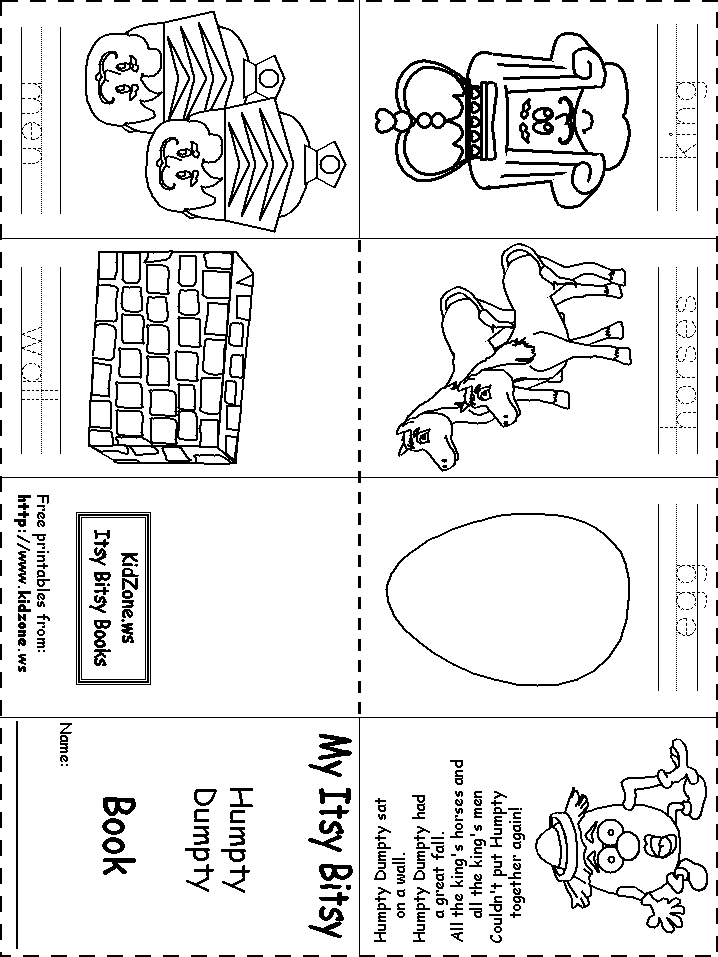


Illustrating Humpty Dumpty's World
The illustrations in Humpty Dumpty picture books play a crucial role in bringing the character and his story to life. From depicting Humpty's size and appearance to creating engaging, imaginative landscapes, illustrators often transform the simple nursery rhyme setting into a vibrant, captivating world.
Take, for instance, Quentin Blake's iconic illustrations for Dr. Seuss's "Humpty Dumpty: A Crack in Time." Blake's whimsical, exaggerated style perfectly captures the comedic tone of the story, making Humpty and his world easily relatable and enjoyable for young readers. Similarly, Emily Hughes' illustrations in "Humpty Dumpty" create a cozy, comforting atmosphere that invites children to spend time with Humpty and his friends.
Captivating Visual Storytelling
Many Humpty Dumpty picture books employ striking visual storytelling techniques, using sequences of images to convey the story's progression. These illustrations often include cliffhanger moments or surprising twists, engaging young readers and encouraging them to predict what happens next.
A great example is Dan Santat's "The Twelve Days of Christmas." While not focused exclusively on Humpty Dumpty, the book features stunning, detailed illustrations that bring the classic carol to life. Similarly, "The True Story of Humpty Dumpty" by Deborah Underwood and Kadir Nelson, tells Humpty's tale through vivid, richly textured artwork that blends myth and reality, creating a visually stunning narrative.
Humpty Dumpty's journey from a simple nursery rhyme to a captivating character in beautifully illustrated picture books highlights the enduring appeal of storytelling. Whether exploring themes, setting examples, or creating engaging visuals, these books capture the essence of Humpty Dumpty and introduce him to a whole new generation of young readers.
Related Articles

Unveiling the Moses Mystery: A Fascinating Journey
Unraveling the enigma of the "Moses Mystery Book" has long captivated enthusiasts and historians alike. This meticulously crafted volume, believed to have been...

Dolphin Coloring Book Pictures
Immerse yourself in the wonders of the deep with a captivating dolphin coloring book picture . These intelligent, playful creatures have long fascinated us...

Turkey Coloring Book Page
Are you looking to keep your little ones engaged and creative? Why not try out a 'Coloring Book Turkey Picture' activity? This fun and interactive activity is...

Christmas Picture Coloring Book
Immerse yourself in the spirit of the season with a Christmas pictures coloring book , a delightful blend of tradition, creativity, and festive cheer. These...

Humpty Dumpty in Black and White
Ever heard of Humpty Dumpty? You probably know the nursery rhyme, but you might not be aware of the intriguing black and white interpretation of this beloved...

Church Coloring Book: A Spiritual Art Journey
Immerse your little ones in the beauty of faith with a church coloring book , a delightful learning and artistic tool that combines children's creativity with...