Why Are My Dog's Eyes Staining? Causes & Solutions
Have you ever noticed your dog's eyes suddenly changing color or developing a strange stain? As pet owners, we often puzzle over such changes, wondering if it's something to worry about. Dog's eyes can indeed develop stains, and the causes and solutions can vary greatly. Let's delve into the world of staining in dogs' eyes and help you understand what might be going on with your furry friend.
Much like human eyes, dog's eyes can develop stains or discoloration due to a variety of factors. These can range from simple tear stains to serious eye infections. Understanding the reasons behind these stains, their significance, and when to seek veterinary attention is crucial for maintaining your dog's eye health and overall well-being.
Why Do Dogs Get Eye Stains?
Dogs' eyes can stain for various reasons, some cosmetic, others medical. Understanding these causes can help you assess the severity of the issue and address it appropriately.


For instance, some breeds, like Poodles and other small, white breeds, are prone to tear stains due to excessive tearing. These stains, the ones typically seen around the eyes and nostrils, are usually harmless but can indicate a potential problem if they appear suddenly or are accompanied by other symptoms.
Tear Stains
Tear stains are the most common type of staining in dogs' eyes. They occur when the tears that clean and lubricate the eyes leave a mark, typically around the eyelids or the fur around the eyes. While these stains are usually benign, they can sometimes indicate a problem with the tear ducts or overall eye health.


For example, if your dog's tear stains suddenly become more prominent or start to appear outside the normal tear stain area, it could indicate a blockage in the tear duct or an eye infection, both of which require veterinary attention.
Eye Infections
Eye infections in dogs can cause a sticky, yellow, green, or white discharge, leading to stains around the eyes. These infections can be bacterial, viral, or fungal in nature and often cause redness, itching, and pawing at the eye. If left untreated, eye infections can lead to more serious problems, such as corneal ulcers or loss of vision.
Some breeds, like Pugs and other brachycephalic dogs, are more prone to eye infections due to their facial structure, which can trap dirt, debris, and bacteria in the eyes. Regular grooming and cleaning of their facial folds can help prevent infections in these breeds.
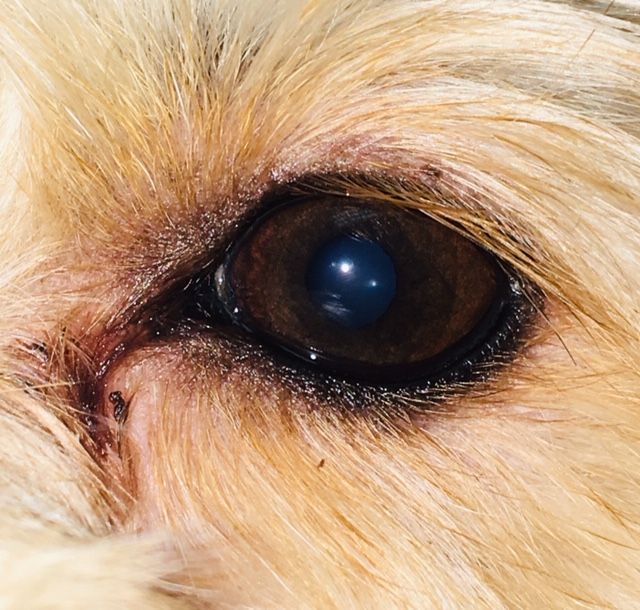


Causes and Solutions for Different Types of Eye Stains
Understanding the cause of your dog's eye stains can help you decide on the best course of action. Here are some common causes and potential solutions for different types of eye stains:
For tear stains, keeping your dog's face clean, especially around the eyes, can help reduce their frequency and prominence. Regular grooming, using a specialized tear stain remover, and ensuring your dog gets enough exercise to promote proper drainage can all help. If tear stains suddenly increase in size or spread, however, it's important to consult a veterinarian.
For eye infections, prompt veterinary attention is crucial. Your vet may prescribe antibiotics, antiviral medication, or antifungals, depending on the type of infection. Regular cleaning of the eyes with warm water or a specialized eye wash can also help.


Allergies and Irritants
Similar to humans, dogs can develop eye stains due to allergies or irritants. These can include pollen, dust, smoke, or certain chemicals in grooming products. Again, regular cleaning and keeping your dog's face free of irritation-causing substances can help.
If you suspect your dog has an allergy-related issue, a visit to the vet can help determine the cause and provide potential solutions. Your vet may recommend antihistamines, changes in diet, or avoidance of the allergens causing the reaction.
Dry Eye (Keratoconjunctivitis Sicca)
Dry eye, or Keratoconjunctivitis Sicca, is a condition where the eye does not produce enough tears to keep it moist and healthy. This can lead to redness, irritation, and a yellow, sticky discharge, causing stains around the eyes. Dry eye is typically managed with eye drops or ointments to stimulate tear production and keep the eyes lubricated.
While these solutions can help manage the symptoms of dry eye, it's important to note that it's a lifelong condition that requires regular veterinary care to prevent complications.
When to See a Veterinarian
- Sudden changes in the appearance or prominence of eye stains
- Redness, itching, or pawing at the eyes
- Yellow, green, white, or bloody discharge from the eyes
- Swelling or redness around the eyelids or on the surface of the eye
- Cloudiness or changes in the color of the eye
Regular check-ups with your veterinarian can also help catch potential eye problems early and provide guidance on maintaining your dog's eye health.
Dog eye stains can be a cause for concern but also a sign of something more serious. By understanding the causes and solutions for different types of eye stains, you can better care for your dog's eye health and ensure they live a long, healthy life. Remember, prevention is often the best cure, so keep your dog's face clean, their environment free of irritants, and their eyes protected from potential harm. If you notice any sudden changes in your dog's eyes or other symptoms of illness, always consult a veterinarian.
Related Articles

Why Your Tattoo Color Fades: Causes & Solutions
Have you ever found yourself in a situation where your vibrant, freshly inked tattoo starts to fade, lose its vibrancy, or simply doesn't stay put? You're not...

Transform Your Pup: How to Coloring a Dog's Hair
Ever wondered how to give your furry friend a fresh, vibrant look? Coloring a dog's hair, or dyeing its coat, is a unique way to express your creativity and...

Baby's Sudden Green Poop: Causes & Solutions
If you're a new parent, you might be wondering, "Why is my baby's poop green?" While every parent hopes their child's bowel movements will be consistent and...

Understanding Your Dog's Oral Health: The Color of a Dog's Mouth
The color of a dog's mouth and gums can hint at their health and breed. However, not all dog owners know what to look for. Let's dive into the various colors...

What's the Color of a Dog's Nose?
The color of a dog's nose, often referred to as the "nose print," is as unique as a human fingerprint. It's one of the first things we notice about a dog, but...

Tattoo Color Fade: Causes, Solutions & Care Tips
Ever wondered why those vibrant tattoo colors start to lose their luster over time? Tattoo color fade is a natural process that every inked individual goes...